01
Primary Foundations
Number confidence, reading comprehension and written sentence work, taught through short tasks and read-aloud practice. Parents receive a one-page note at the end of each half term.
- Years 3–6
- Maths & English
- 60 minutes
Primary · Secondary · Sixth Form
Cinder Line teaches maths, English and the sciences in groups of six, on weekday evenings and Saturday mornings. Every learner starts with a written assessment, keeps the same tutor through the term, and takes home marked work each week.

Programmes
Learners are placed by the written assessment rather than by age alone, so a group always moves at one pace. Subjects can be combined across an evening where the timetable allows.
01
Number confidence, reading comprehension and written sentence work, taught through short tasks and read-aloud practice. Parents receive a one-page note at the end of each half term.
02
The bridge year band. Algebraic notation, extended writing and practical science method, with weekly homework that is collected, marked and returned with comments.
03
Specification-led teaching with past-paper technique built in from week one. Learners keep a folder of graded questions so they can see exactly which topics still need a second pass.
04
Biology, chemistry and physics taught alongside the mathematical skills they lean on, plus supervised study time for coursework and practical write-ups.

How a term runs
The same three steps run every term, in every programme. Nothing about a learner's progress should be a surprise at week ten.
Forty-five minutes, on paper, before any place is confirmed. It tells us which group to place a learner in and which two or three topics the first month should target.
Small enough that every learner is asked a question in every session, and steady enough that the tutor knows the working style behind each answer.
Homework comes back annotated rather than ticked. At the end of term you receive a short written review with the recommended next step.
The tutors
Each tutor teaches their own subject only, and keeps the same groups from the first week of term to the last.

Mathematics · Years 7–13
Teaches method before shortcuts. Amara runs the GCSE Intensive maths groups and the sixth form problem-solving hour.

English · Years 3–11
Builds writing from reading aloud. Daniel leads the primary comprehension block and GCSE literature essay work.
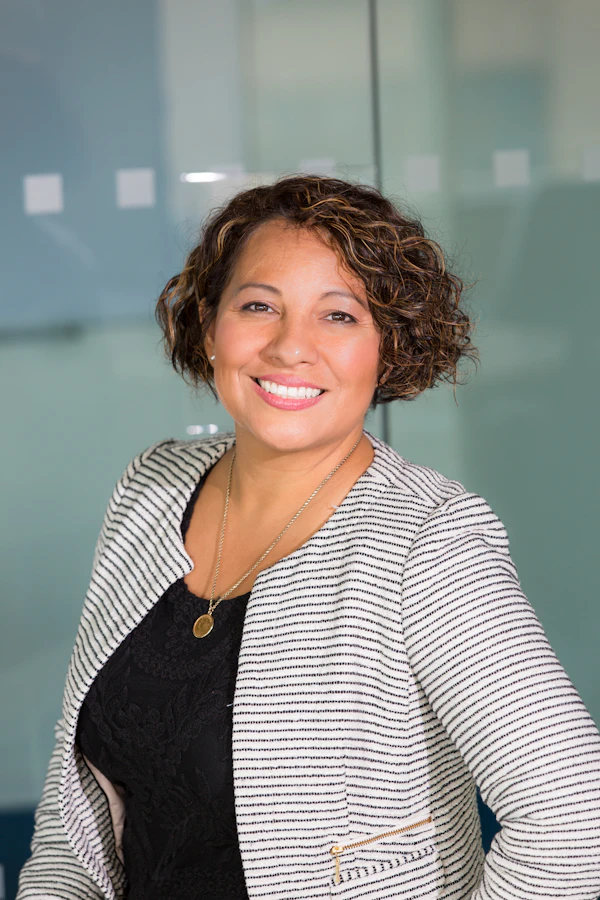
Science · Years 9–13
Keeps practical method at the centre. Priya covers triple science and the sixth form chemistry and biology groups.
Session formats
One subject a week, 5.00pm or 6.45pm starts, running the full ten-week term.
Two subjects back to back with a break between, for learners in an exam year.
A quiet room with a tutor on hand for questions. Open to anyone holding a term place.
Before you enquire
Enquire
That is enough for us to suggest a group and a time for the written assessment. We reply to enquiries within two working days during term.
Sending this form starts a conversation only — no place is reserved and no payment is taken until after the assessment.